Dr.Utkarsh Patel
Consultant Neuro Physician

Welcome to Neurology & Haematology Super Speciality Clinic
Welcome to our advanced neurology clinic in Ahmedabad, led by Dr. Utkarsh Patel, one of the best neurologists in the city. We provide xexpert neurology care for a wide range of conditions, including stroke treatment, epilepsy management, migraine relief, vertigo treatment, and neuropathic pain care. Our board-certified specialists use cutting-edge neuro diagnostic techniques like EEG Study and NCS study, along with personalized treatment plans, to help patients achieve better brain health and quality of life. Conveniently located for those searching for a neurologist near me, we are committed to compassionate, results-driven care.
Seeking chronic headache relief in Ahmedabad? Consult Dr. Utkarsh Patel, an expert headache and migraine doctor in Ahmedabad. Specializing in effective migraine treatment and headache management, he offers advanced therapies and migraine medicines tailored to your needs. Our goal is to help you live a pain-free, healthier life.
If you’re struggling with dizziness or imbalance, visit Ahmedabad’s top vertigo doctor. Dr. Utkarsh Patel provides expert diagnosis and treatments such as repositioning maneuvers for vertigo. With compassionate care and advanced methods, he helps patients restore balance and regain confidence.
Facing a brain stroke or brain paralysis? Looking for a stroke specialist in Ahmedabad? Dr. Utkarsh Patel is a highly trusted brain paralysis specialist in Ahmedabad and stroke specialist neurologist in Ahmedabad. Offering rapid diagnosis, advanced treatment, and neuro rehabilitation, he helps patients recover mobility and independence while minimizing long-term neurological damage.
For patients battling epilepsy or seizures, Dr. Utkarsh Patel offers comprehensive epilepsy care with EEG study in Ahmedabad. Are you getting repeated seizures episodes despite taking medication? We offer tailored treatment plans for such patients.. As a leading epilepsy specialist in Ahmedabad, he focuses on effective seizure management for improved quality of life.
If you or your loved one is experiencing memory loss or dementia? Searching for brain specialist in Ahmedabad ? Trust Ahmedabad’s expert dementia specialist Dr. Utkarsh Patel for compassionate neuro care. His tailored treatment plans aim to improve cognitive health and support families through each stage of care.
Experiencing hand tremors or symptoms of Parkinson’s ? Dr. Utkarsh Patel, a leading Parkinson’s specialist in Ahmedabad, offers advanced diagnostic and treatment plans to manage tremors, improve mobility, and enhance daily living.
For low back pain or spinal cord-related problems, our clinic offers expert spine pain treatment Ahmedabad. From diagnosis to therapy, Dr. Utkarsh Patel provides comprehensive care for spinal conditions and relief from chronic back pain.
If you suffer from tingling, numbness, or nerve pain, Dr. Utkarsh Patel provides neuropathic pain treatment in Ahmedabad using nerve conduction study (NCS study in Ahmedabad) and other advanced diagnostics. We offer effective relief for nerve pain treatment Ahmedabad so you can return to a comfortable, active lifestyle.
A stroke occurs when the blood supply to part of your brain is interrupted or reduced, preventing brain tissue from getting oxygen and nutrients. Brain cells begin to die in minutes.A stroke is a medical emergency, and prompt treatment is crucial. Early action can reduce brain damage and other complications.
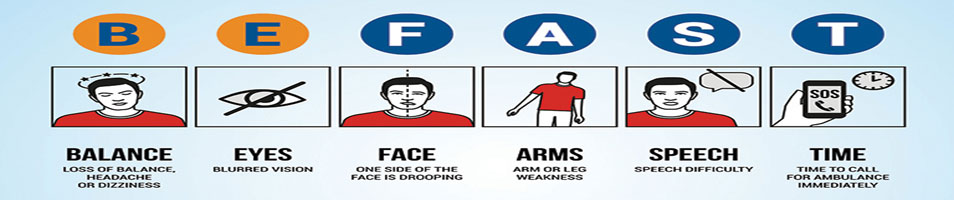
Seek immediate medical attention if you notice any signs or symptoms of a stroke, even if they seem to come and go or they disappear completely. “ BE FAST" and contact doctor.
There are two main causes of stroke: a blocked artery (ischemic stroke) or leaking or bursting of a blood vessel (hemorrhagic stroke).
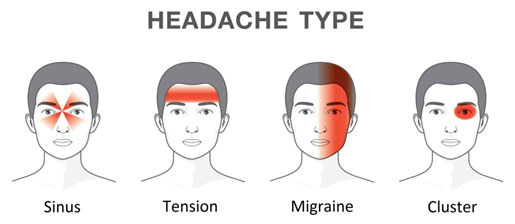
Acute sinusitis (nasal and sinus infection) ,Arterial tears (carotid or vertebral dissections), Blood clot (venous thrombosis) within the brain, Brain aneurysm,Brain tumor,Coronavirus disease 2019 (COVID-19),Dental problems,Ear infection (middle ear),Giant cell arteritis(inflammation of the lining of the arteries),Glaucoma(acute angle closure glaucoma),Hangovers,High blood pressure (hypertension),Intracranial hematoma,Meningitis,Overuse of pain medication,Panic attacks and panic disorder,Persistent post-concussive symptoms (Post-concussion syndrome),Pseudotumor cerebri,Stroke
A person with vertigo will have a sense of spinning dizziness. Vertigo is a symptom of a range of conditions. It can happen when there is a problem with the inner ear, brain, or sensory nerve pathway.
A person with vertigo will feel as though their head or the space around them is moving or spinning.
Vertigo is a symptom, but it can lead to or occur alongside other symptoms, too.
These may include:
balance problems,lightheadedness,a sense of motion sickness,nausea and vomiting,ringing in the ear, called tinnitus,a feeling of fullness in the ear,headaches, nystagmus, in which the eyes move uncontrollably, usually from side to side
Dementia affects each person in a different way, depending upon the impact of the disease and the person’s personality before becoming ill. The signs and symptoms linked to dementia can be understood in three stages.
There are many different forms of dementia. Alzheimer's disease is the most common form and may contribute to 60–70% of cases. Other major forms include vascular dementia, dementia with Lewy bodies (abnormal aggregates of protein that develop inside nerve cells), and a group of diseases that contribute to frontotemporal dementia (degeneration of the frontal lobe of the brain). The boundaries between different forms of dementia are indistinct and mixed forms often co-exist.
The principal goals for dementia care are:
Parkinson's disease is a progressive nervous system disorder that affects movement. Symptoms start gradually, sometimes starting with a barely noticeable tremor in just one hand. Tremors are common, but the disorder also commonly causes stiffness or slowing of movement.
In the early stages of Parkinson's disease, your face may show little or no expression. Your arms may not swing when you walk. Your speech may become soft or slurred. Parkinson's disease symptoms worsen as your condition progresses over time.
Parkinson's disease signs and symptoms can be different for everyone. Early signs may be mild and go unnoticed. Symptoms often begin on one side of your body and usually remain worse on that side, even after symptoms begin to affect both sides.
Parkinson's signs and symptoms may include:
No specific test exists to diagnose Parkinson's disease.Doctor trained in nervous system conditions (neurologist) will diagnose Parkinson's disease based on your medical history, a review of your signs and symptoms, and a neurological and physical examination.Doctor may suggest a specific single-photon emission computerized tomography (SPECT) scan called a dopamine transporter scan (DaTscan).
Medications may help you manage problems with walking, movement and tremor. These medications increase or substitute for dopamine. They are Levodopa-carbidopa, Dopamin agonist, MAO B inhibtors,COMT inhibtors and anticholinergics. In some cases DBS (deep brain stimulation) can be helpful.
Meningitis is an inflammation (swelling) of the protective membranes covering the brain and spinal cord. A bacterial or viral infection of the fluid surrounding the brain and spinal cord usually causes the swelling. However, injuries, cancer, certain drugs, and other types of infections also can cause meningitis. It is important to know the specific cause of meningitis because the treatment differs depending on the cause.
Early meningitis symptoms may mimic the flu (influenza). Symptoms may develop over
several hours or over a few days.Possible signs and symptoms are:
Sudden high fever , Stiff neck ,Severe headache that seems different from normal ,
Headache with nausea or vomiting,Confusion or difficulty concentrating ,Seizures,
Sleepiness or difficulty waking,Sensitivity to light ,No appetite or thirst ,Skin rash
Viral infections are the most common cause of meningitis, followed by bacterial infections , TB and rarely, fungal and parasitic infections. Because bacterial infections can be life-threatening, identifying the cause is essential.
According to etiology of meningitis antibiotics,anti virals,anti tubercular treatment or anti fungal drugs are used.
Peripheral neuropathy, a result of damage to the nerves located outside of the brain and spinal cord (peripheral nerves), often causes weakness, numbness and pain, usually in the hands and feet. It can also affect other areas and body functions including digestion, urination and circulation.
Your peripheral nervous system sends information from your brain and spinal cord (central nervous system) to the rest of your body. The peripheral nerves also send sensory information to the central nervous system.
Peripheral neuropathy can result from traumatic injuries, infections, metabolic problems, inherited causes and exposure to toxins. One of the most common causes is diabetes.
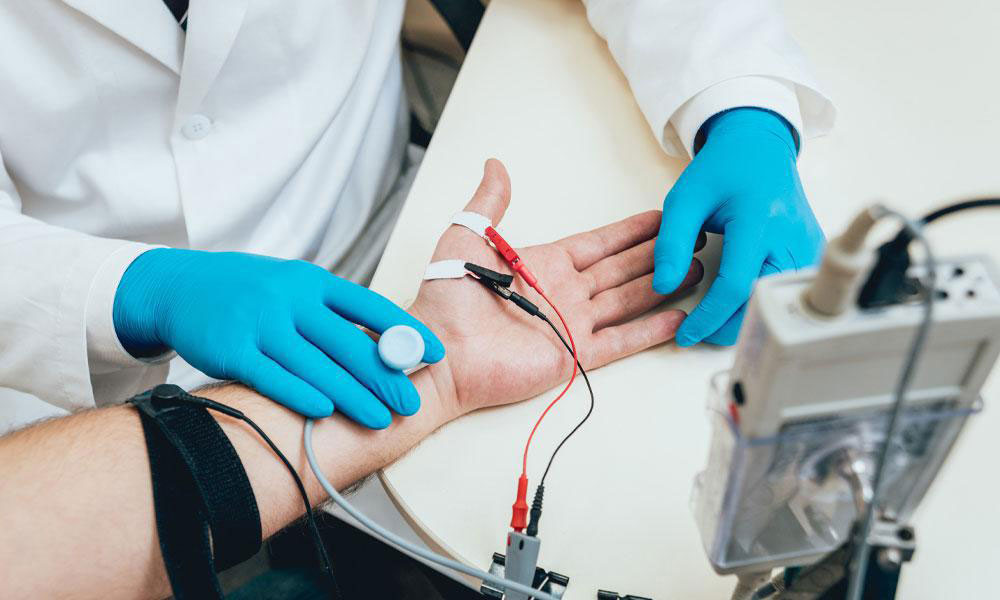
NCV

EMG
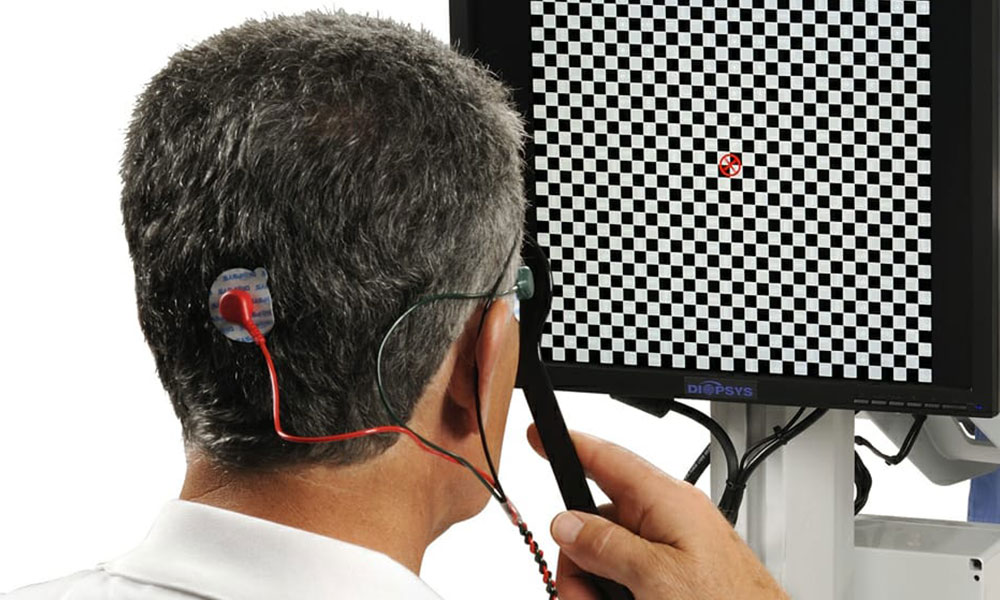
VEP

BOTOX
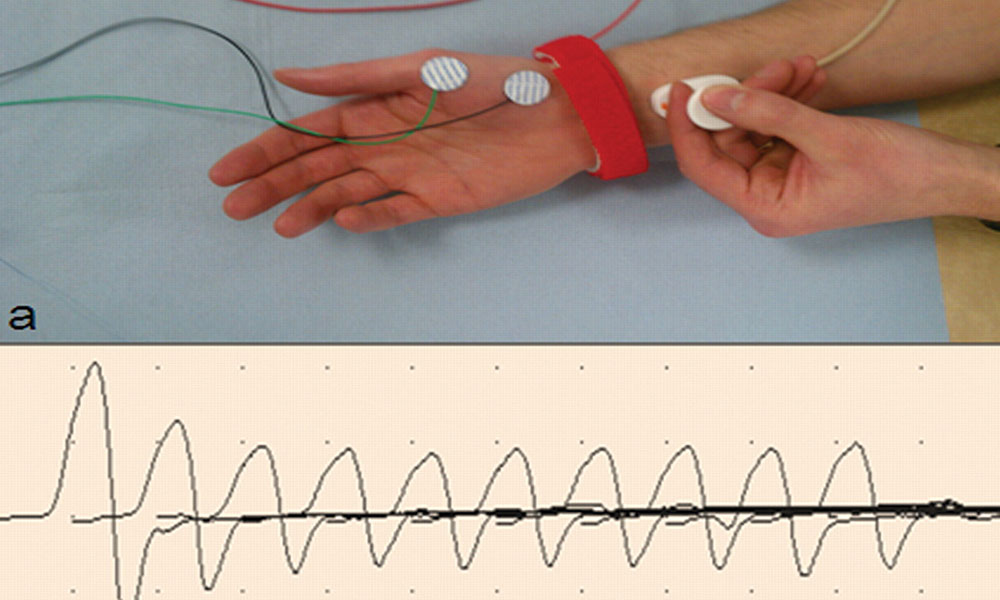
RNS